Worried your long hyperbaric session might turn into an uncomfortable ordeal? I understand. I've spoken with many who felt the same. Simple, informed preparation changes everything.
Preparing for a long hyperbaric session means checking your chamber’s safety, understanding your own health limits, and planning for emergencies. It’s about making sure the machine is ready, your body is ready, and you know what to do if something feels off.
After years of helping buyers choose and use hyperbaric chambers, I hear the same worries again and again. The real answers are not on a spec sheet. They sit in the everyday decisions you make before closing that zipper.
Is Your Hyperbaric Chamber Actually Ready for a Long Session?
You think a long session is just sitting longer. A client’s session once turned into a struggle because of a loose hose. Avoid that by checking the basics.
Your chamber is ready for a long session after you check the pressure seals, test the oxygen flow, and confirm the emergency release works1. Run a short test run while empty.2 It catches problems before you commit to sitting inside.
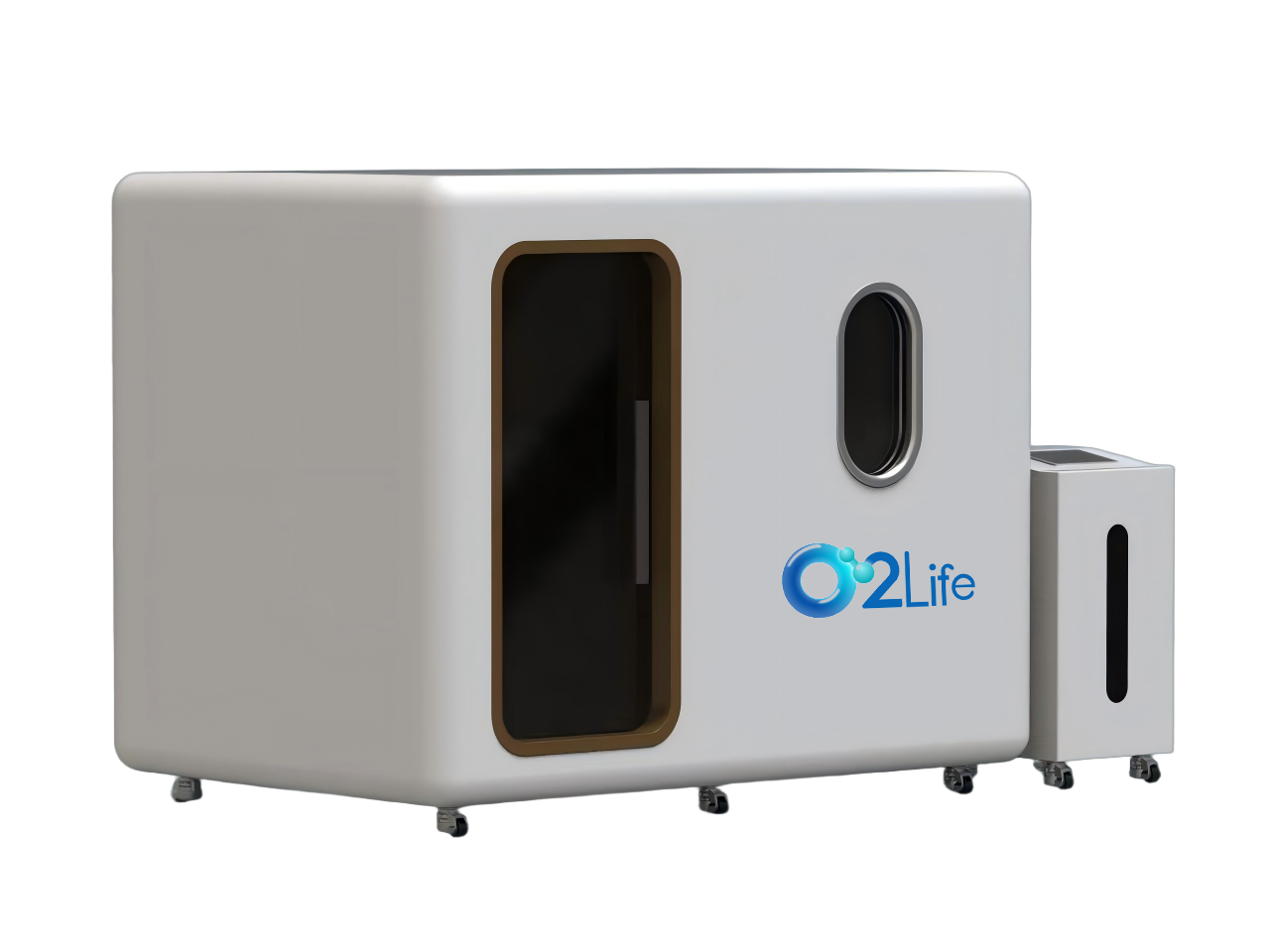
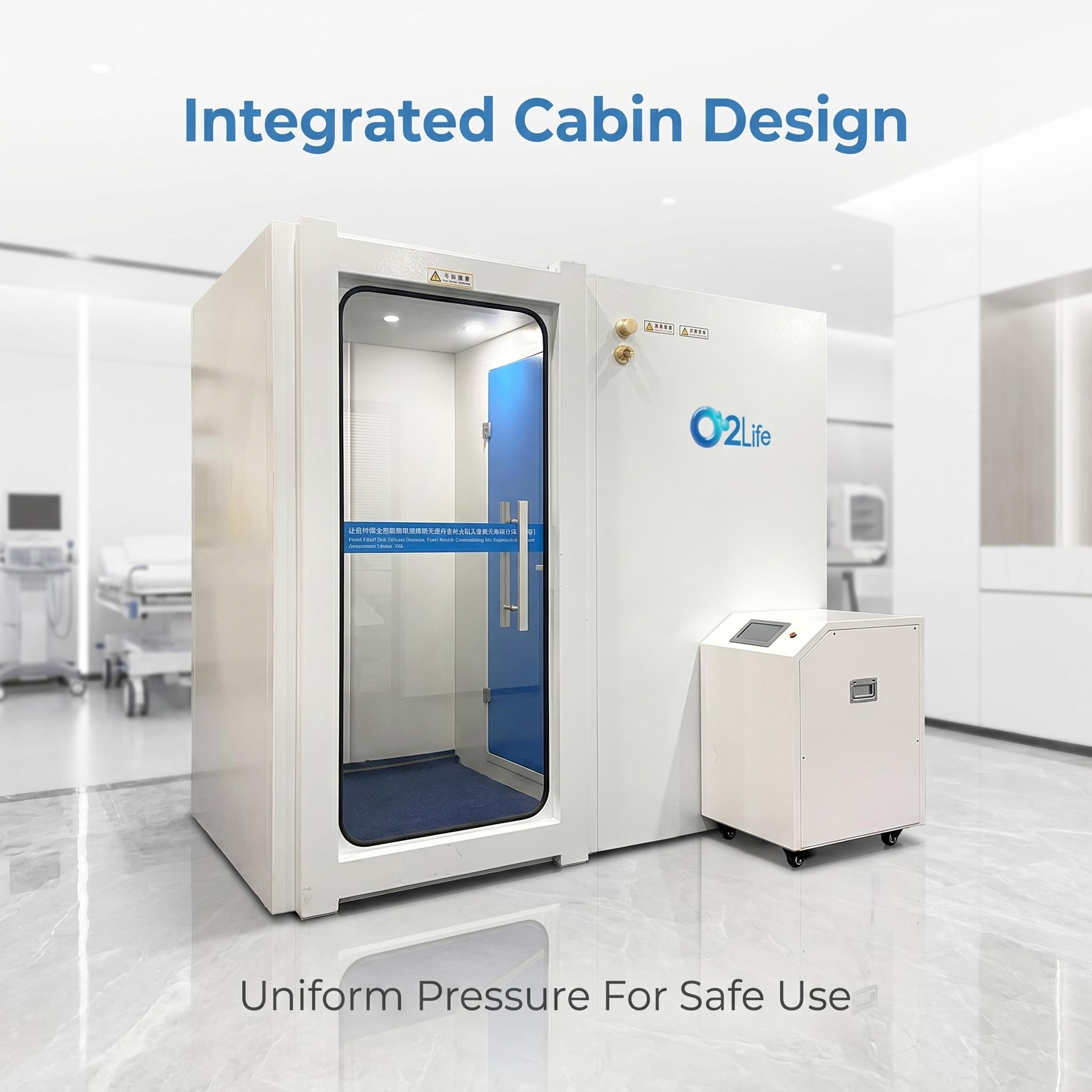
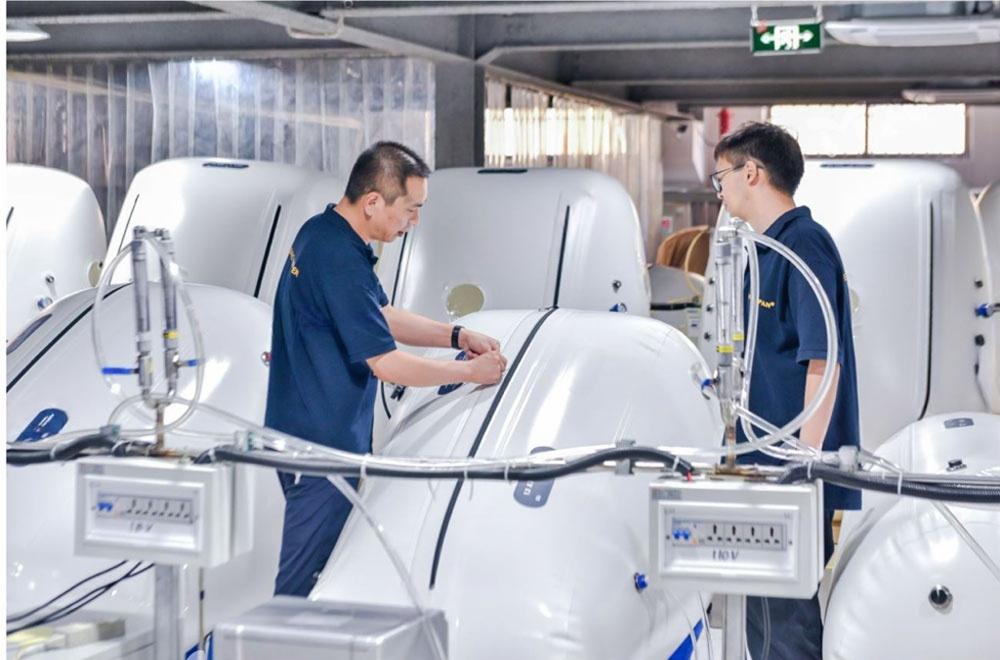
Preparing a chamber for a long session involves more than plugging it in. I break it down into three areas: structural checks, oxygen system checks, and control verification. I always tell buyers to do a five-minute dry run. You set up the chamber, start the inflation, and watch the pressure gauge. The gauge should rise smoothly to the set pressure and hold without dropping.3 If it drops more than a little, a leak exists. A common leak point is the zipper. Make sure the zipper is fully closed. The sealing skirt must lay flat. Even a tiny fold can cause a slow leak. I remember one customer who told me his sessions felt stuffy after thirty minutes. He later found the oxygen tube had a slight kink under the mattress. A simple visual check would have fixed that.
Next, test the emergency release. The valve should open quickly with light pressure. Some chambers use a handle. Practice using it from inside the chamber. In a long session, you may feel sleepy. You want the release to be easy to find and operate without fumbling. I have included a quick reference list for new chamber owners:
| Pre-Session Check Point | Action |
|---|---|
| Zipper alignment | Inspect full length, zip and unzip once |
| Sealing skirt | Smooth out, no debris |
| Hose connections | Pull gently to confirm firmness |
| Pressure gauge function | Observe during inflation test |
| Emergency valve operation | Push to release, feel for normal resistance |
| Oxygen purity indicator (if available) | Confirm green light or expected reading |
The control unit also matters. Check that the timer is set correctly. Many people set it and forget. For long sessions, if the timer fails, the session might end early or run longer than intended. At O2Life, we use a dual-timer system that alerts you with a soft chime. I still recommend looking at the timer display before entering. Some users place a backup timer nearby as a habit. It seems minor. When you are inside, small details protect your peace of mind.
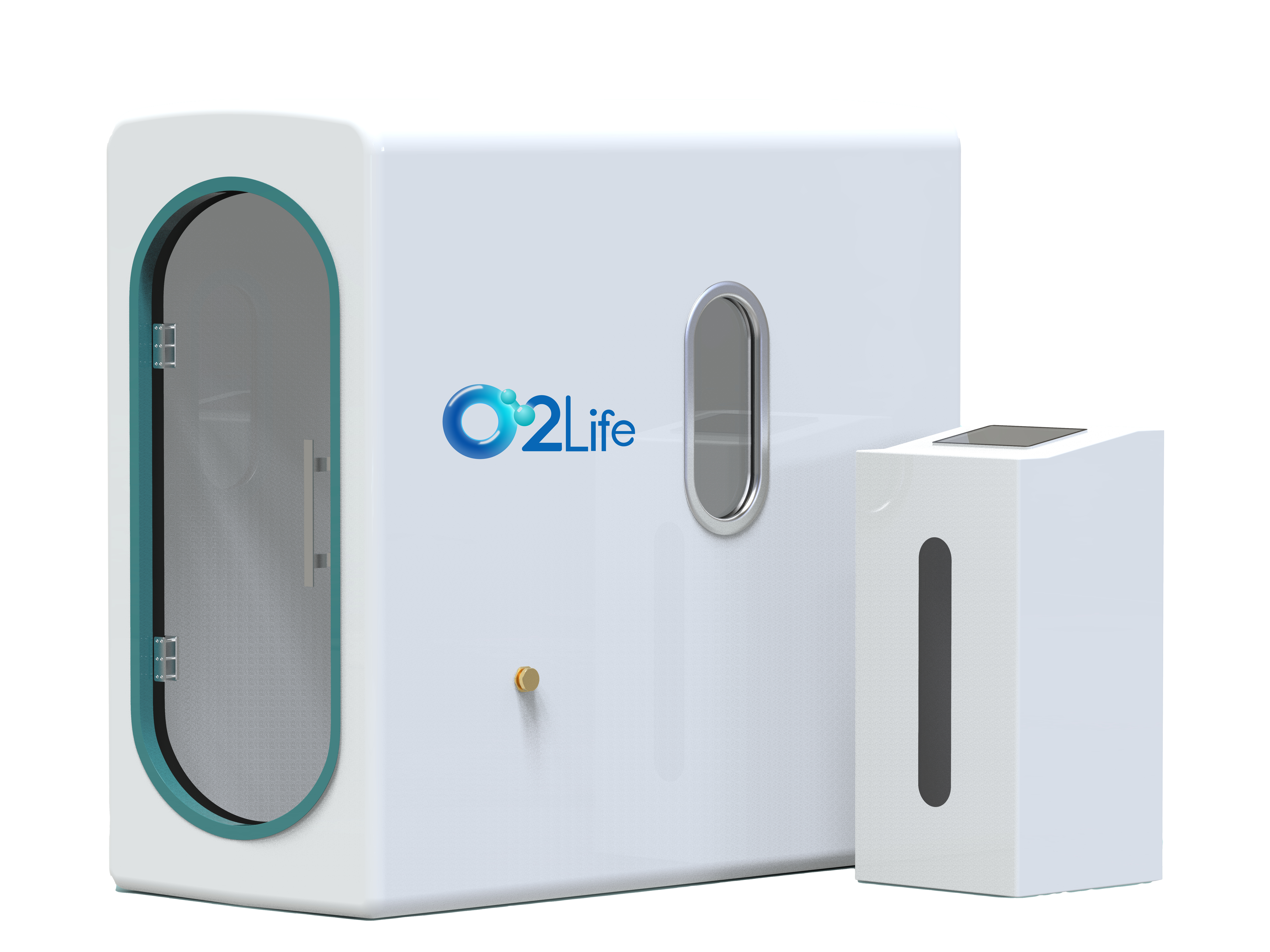
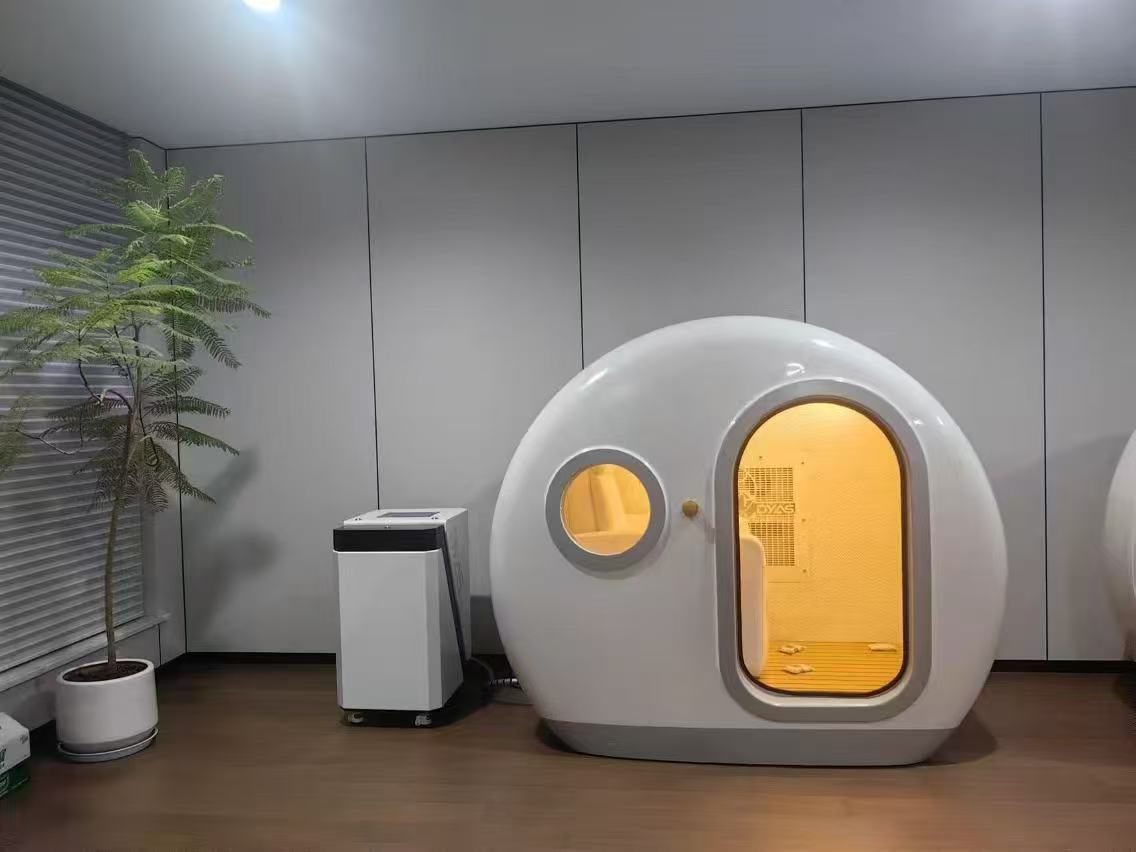
The chamber's surroundings need attention. The floor should be flat. For soft chambers, make sure the frame is locked in the unfolded position. A wobbly frame can shift during a long session. Keep the oxygen concentrator a safe distance away from the chamber. It needs airflow to stay cool. Blocked vents cause the machine to overheat and shut down.4 That would end your session early. I have seen setups where the concentrator sits right next to the chamber’s warm air exhaust. That recycling of hot air causes overheating. A separation of a few feet makes a big difference. These checks seem obvious. The majority of after-sales calls I receive about discomfort or broken sessions trace back to skipping one of these steps.
Does Your Health Status Change the Way You Should Prepare?
You might think any healthy person can jump into a long session. I have learned that even small health factors change the risk. Blood pressure or recent ear surgery can turn a relaxing session into a risky one.
Your health status directly shapes preparation. If you have sinus issues, equalizing ear pressure during long sessions needs attention. If you have claustrophobia, gradual exposure and communication plans with a partner are key. Discuss with your doctor first.
Health factors shape preparation more than any technical feature. I group these into ear/nose/throat problems, cardiovascular concerns, and mental readiness. Ear and sinus issues are the most common. When you descend in pressure, like in an airplane, your ears feel full. The hyperbaric chamber increases pressure. So your ears need to adjust in reverse. If you have a cold or allergy, your Eustachian tubes may be blocked.5 That blockage can cause severe pain or eardrum damage.6 Preparation means clearing your nose with saline spray. Practice the Valsalva maneuver gently.7 Have an agreement with yourself that if pain starts, you stop the session immediately. I keep a bottle of sterile saline by our demo unit. I always tell new users to try a short pressure test first. If you feel pain, do not push through.
For people with high blood pressure, a long session at 1.3 to 1.5 ATA changes blood circulation. Some studies show a mild decrease in heart rate.8 If your blood pressure is uncontrolled, the extra pressure could strain your system.9 I always ask buyers to get a note from their doctor. Many doctors say it is safe if pressure stays below 2.0 ATA. A preparation step is to have a blood pressure monitor at hand. You can check before and after. I have seen customers who feel lightheaded after a long session. They realize their pressure dropped too much because of dehydration and heat. Hydration is key. Drink a glass of water before. Avoid caffeine.
Claustrophobia is another factor. A soft chamber envelopes you. The feeling of being enclosed can trigger anxiety.10 For long sessions, I recommend doing a series of short sessions first. Sit inside without turning on the pressure. Then do five minutes at pressure. Slowly build up. Have a partner nearby. Our chambers have large viewing windows. That helps. Some customers use a small fan or a familiar blanket. Preparation here is about mental conditioning. It is about trusting the emergency release and knowing you are in control.
| Health Condition | Specific Preparation for Long Session |
|---|---|
| Sinus congestion | Use decongestant (doctor-approved), test ear clearing before session |
| High blood pressure | Consult doctor, monitor before/after, stay hydrated |
| Claustrophobia | Gradual exposure, keep communication device, practice emergency release |
| Diabetes11 | Monitor blood sugar levels, oxygen sessions may affect glucose metabolism |
| Recent ear surgery | Obtain medical clearance, wait at least 6 weeks post-op |
I also remind users about skin sensitivity. Long sessions can cause mild skin irritation from the oxygen-rich environment if you wear synthetic fabrics. Wearing natural fiber clothing like cotton is a simple tip. All these health-related preparation steps are not about scaring you. They are about making the long session a positive experience. I have seen the difference when people prepare thoughtfully versus when they just jump in and hope for the best. The latter often leads to a bad story.
What Happens if Something Goes Wrong During a Long Session?
Most people never think about an emergency during a relaxing session. A buyer once told me his chamber’s controller glitched after a power surge, and the pressure kept rising. He froze. A response plan prevents panic.
If something goes wrong, your top priority is to release pressure immediately using the emergency valve. Then secure the oxygen source. Always know where the manual pressure release is and practice using it before your first long session. This knowledge is your safety net.
Emergency preparation has three layers. First, know the mechanical emergency release. Soft chambers have a pull tab or twist valve that vents pressure in seconds. Hard chambers have a manual dump valve. I test these with every customer during installation. I make them sit inside and pull the tab. Muscle memory forms. In a long session, you might be drowsy. You need to locate it by feel. I recommend a simple drill. Before the session, close your eyes, reach out, and touch the release. That act alone builds confidence.
Second, understand what the chamber should not do. A pressure spike beyond the set level, a sudden loss of oxygen flow alarm, or a burning smell from the concentrator are red flags.12 Your plan is to stop the session immediately. Always have a way to communicate with someone outside. Some chambers have an intercom. Others use a simple bell or a baby monitor. I advise leaving the door to the room open and arranging a check-in signal. A long session does not mean you are isolated. At O2Life, our chambers have a dual alarm. One for the user and one audible outside. A human backup is the safest system.
Third, your supplier's role in emergency readiness matters. Ask before buying. Does the company provide a clear emergency guide? Do they offer after-sales support during your timezone? I have heard stories from buyers who contacted a supplier after a scare, only to wait days for a response. That delay is unacceptable. I keep our support line open with video call capability. You need to know that someone can walk you through a problem in real time. Preparation includes storing the supplier’s emergency contact on your phone.
| Emergency Scenario | Immediate Action |
|---|---|
| Pressure continues to rise past set point | Activate manual dump valve, exit chamber, turn off compressor |
| Oxygen alarm sounds (low purity) | Exit chamber, check concentrator connection, restart |
| Electrical burning smell | Shut down main power, use emergency release, do not restart |
| Feeling faint or nauseous | Initiate gentle pressure release, take slow breaths, exit calmly |
I also suggest a physical checklist posted near the chamber. During an emergency, thinking clearly is hard. A simple card that says: "Step 1: Pull red tab. Step 2: Open zipper. Step 3: Step out." can prevent panic. I recall a family who had this card. When the mother felt anxious, her son read it aloud. The session ended without injury. Real preparation means expecting the unexpected. That mindset saves you from turning a minor glitch into a horror story.
Conclusion
Check your chamber, know your health, and plan emergencies. That preparation turns anxiety into safe, effective long sessions.
"Hyperbaric Oxygen Therapy Emergencies - PMC - NIH", https://pmc.ncbi.nlm.nih.gov/articles/PMC6690296/. Hyperbaric safety guidance describes verification of chamber function, gas delivery, and emergency systems as part of safe operation before treatment; this supports the need for pre-session checks, although the exact checklist may vary by chamber type and facility protocol. Evidence role: general_support; source type: institution. Supports: Pre-session inspection of chamber integrity, gas delivery, and emergency systems is part of safe hyperbaric chamber operation.. Scope note: The source may address clinical or facility-based hyperbaric systems rather than home soft chambers specifically. ↩
"A European code of good practice for hyperbaric oxygen therapy", https://pmc.ncbi.nlm.nih.gov/articles/PMC10911829/. Operational guidance for hyperbaric chambers treats pre-treatment functional checks as a safety measure to identify equipment problems before exposure; this provides contextual support for an empty test run, though it may not prescribe the exact five-minute procedure described here. Evidence role: general_support; source type: institution. Supports: Functional checks before hyperbaric treatment can identify operational problems before patient exposure.. Scope note: Support is contextual if the source discusses general pre-use checks rather than an empty run in home chambers. ↩
"Acoustic emission, an innovative diagnosis tool for therapeutic ...", https://pmc.ncbi.nlm.nih.gov/articles/PMC11659070/. Pressure-testing guidance for pressurized systems commonly uses pressure stability during a hold period to assess leakage; this supports using a stable gauge reading as a leak check, although home hyperbaric chamber procedures should follow the device manual. Evidence role: mechanism; source type: government. Supports: A pressure drop during a pressure-hold or leak test can indicate leakage in a pressurized system.. Scope note: The source may describe pressure testing broadly rather than hyperbaric chambers alone. ↩
"MAUDE Adverse Event Report: INOGEN, INC. INOGEN ONE G4 ...", https://www.accessdata.fda.gov/scripts/cdrh/cfdocs/cfmaude/detail.cfm?mdrfoi__id=10319775&pc=CAW. Medical-device safety instructions for oxygen concentrators state that vents and air inlets should remain unobstructed to prevent overheating or impaired operation; this supports the warning about blocked vents, though shutdown behavior depends on the model. Evidence role: mechanism; source type: government. Supports: Oxygen concentrators require unobstructed airflow and can malfunction or overheat if vents are blocked.. Scope note: The source may not address the specific concentrator model used with the article's chamber. ↩
"Eustachian Tube Dysfunction - Stanford Medicine", https://med.stanford.edu/ohns/OHNS-healthcare/earinstitute/conditions-we-treat/eustachian-tube-dysfunction.html. Medical references on Eustachian tube dysfunction identify upper respiratory infection and allergic inflammation as common causes of impaired tube function and pressure equalization difficulty. Evidence role: mechanism; source type: education. Supports: Upper respiratory infections and allergies can contribute to Eustachian tube dysfunction and impaired middle-ear pressure equalization.. ↩
"Ear Barotrauma - StatPearls - NCBI Bookshelf - NIH", https://www.ncbi.nlm.nih.gov/books/NBK499851/. Clinical reviews of middle-ear barotrauma explain that Eustachian tube dysfunction during pressure changes can produce ear pain and, in more severe cases, tympanic membrane injury. Evidence role: mechanism; source type: education. Supports: Inadequate pressure equalization across the tympanic membrane can cause middle-ear barotrauma, pain, and tympanic membrane injury.. ↩
"Ear Barotrauma - StatPearls - NCBI Bookshelf - NIH", https://www.ncbi.nlm.nih.gov/books/NBK499851/. Clinical and diving-medicine sources describe the Valsalva maneuver as a method for equalizing middle-ear pressure during ambient pressure changes; it should be performed gently because forceful attempts may worsen discomfort or injury. Evidence role: mechanism; source type: education. Supports: The Valsalva maneuver is commonly used to help equalize middle-ear pressure during pressure changes.. Scope note: The source may describe aviation or diving pressure changes rather than hyperbaric chamber use specifically. ↩
"Hyperbaric Cardiovascular Effects - StatPearls - NCBI Bookshelf - NIH", https://www.ncbi.nlm.nih.gov/books/NBK482231/. Studies of cardiovascular responses to hyperbaric oxygen exposure report changes such as reduced heart rate in some participants; this supports the statement as a documented physiological response, although effects vary with pressure, oxygen dose, health status, and protocol. Evidence role: expert_consensus; source type: paper. Supports: Research on hyperbaric oxygen exposure has reported cardiovascular effects including reduced heart rate or increased vagal tone in some settings.. Scope note: The magnitude and direction of cardiovascular changes may differ between clinical HBOT and low-pressure home chamber sessions. ↩
"Hyperbaric Oxygen Therapy Contraindications - StatPearls - NCBI", https://www.ncbi.nlm.nih.gov/books/NBK557661/. Clinical references on hyperbaric oxygen therapy list cardiopulmonary status and blood-pressure-related concerns among factors requiring assessment before treatment; this supports medical review for uncontrolled hypertension, although hypertension is not always an absolute contraindication. Evidence role: expert_consensus; source type: education. Supports: Cardiovascular conditions, including hypertension or unstable cardiopulmonary disease, are commonly treated as precautions requiring medical assessment before hyperbaric therapy.. Scope note: The source may frame hypertension as a relative precaution rather than a universal prohibition. ↩
"Hyperbaric Oxygen Therapy: Side Effects Defined and Quantified", https://pmc.ncbi.nlm.nih.gov/articles/PMC5467109/. Clinical discussions of hyperbaric oxygen therapy identify confinement-related anxiety or claustrophobia as a potential barrier or adverse experience for some patients; this supports the need for anxiety preparation, though prevalence varies by chamber design and patient population. Evidence role: general_support; source type: paper. Supports: Claustrophobia or anxiety is a recognized issue for some people undergoing hyperbaric oxygen therapy in enclosed chambers.. Scope note: Evidence may come from clinical HBOT settings rather than home soft-chamber use. ↩
"A Systematic Review to Assess the Impact of Hyperbaric Oxygen ...", https://pmc.ncbi.nlm.nih.gov/articles/PMC8541526/. Research on diabetic patients receiving hyperbaric oxygen therapy has reported measurable changes in blood glucose and has examined hypoglycemia risk, supporting glucose monitoring around sessions; findings are context-dependent and may not directly apply to low-pressure wellness use. Evidence role: statistic; source type: paper. Supports: Studies have examined blood glucose changes and hypoglycemia risk in diabetic patients receiving hyperbaric oxygen therapy.. Scope note: Most evidence concerns medically supervised HBOT protocols, often at higher pressures than consumer soft chambers. ↩
"Safety of Hyperbaric Medicine in Clinical Scenarios - PMC - NIH", https://pmc.ncbi.nlm.nih.gov/articles/PMC10922184/. Hyperbaric safety and oxygen-device guidance indicate that abnormal pressure behavior, gas-delivery alarms, or signs of electrical malfunction should prompt cessation of use and emergency procedures; this supports the red-flag advice, although exact responses should follow the specific device manual. Evidence role: general_support; source type: institution. Supports: Hyperbaric and oxygen-device safety guidance treats abnormal pressure, gas-delivery alarms, and signs of electrical malfunction as reasons to stop use and follow emergency procedures.. Scope note: The source may combine guidance from chamber safety and oxygen concentrator safety rather than addressing all three red flags in one document. ↩